
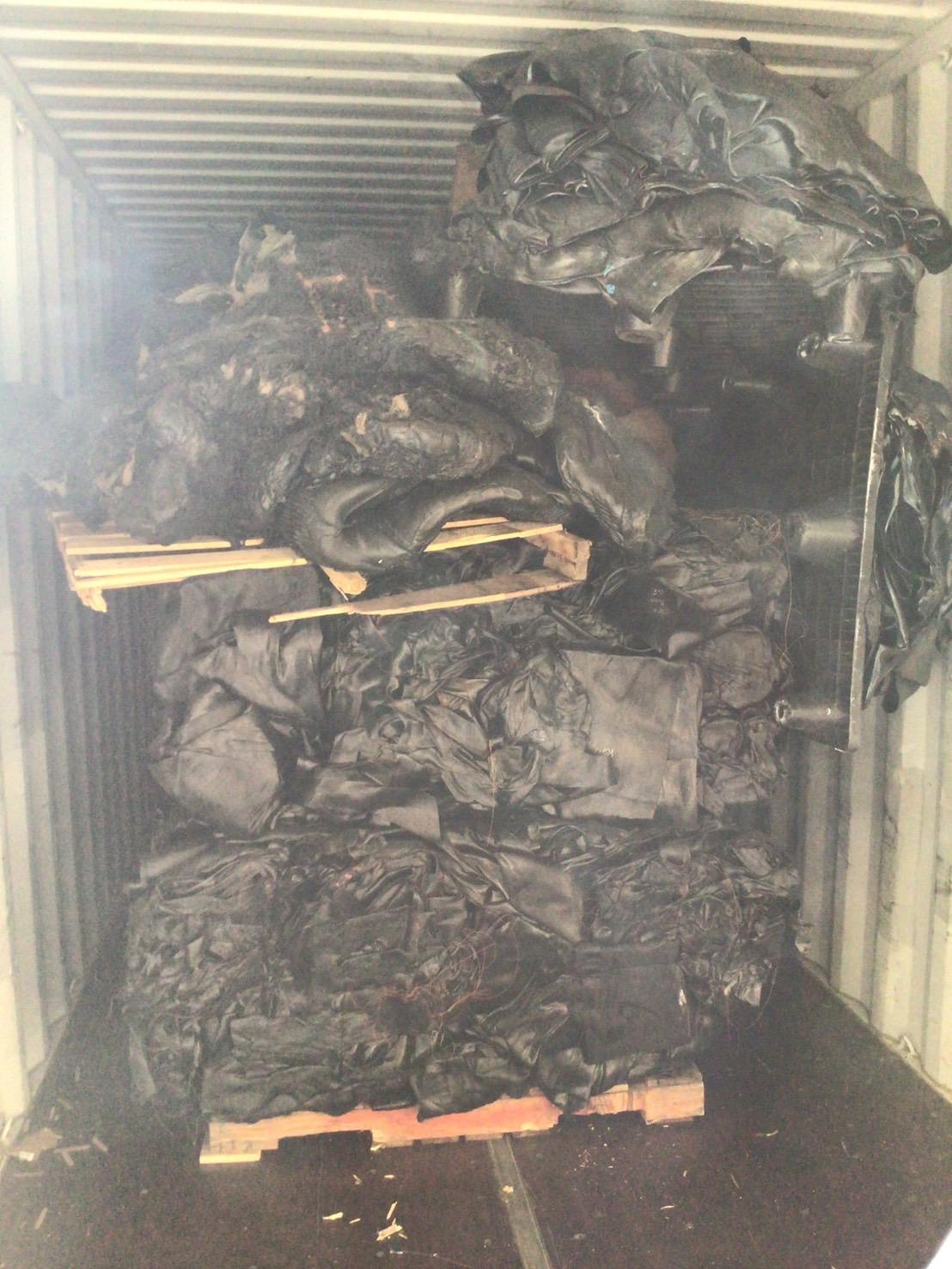
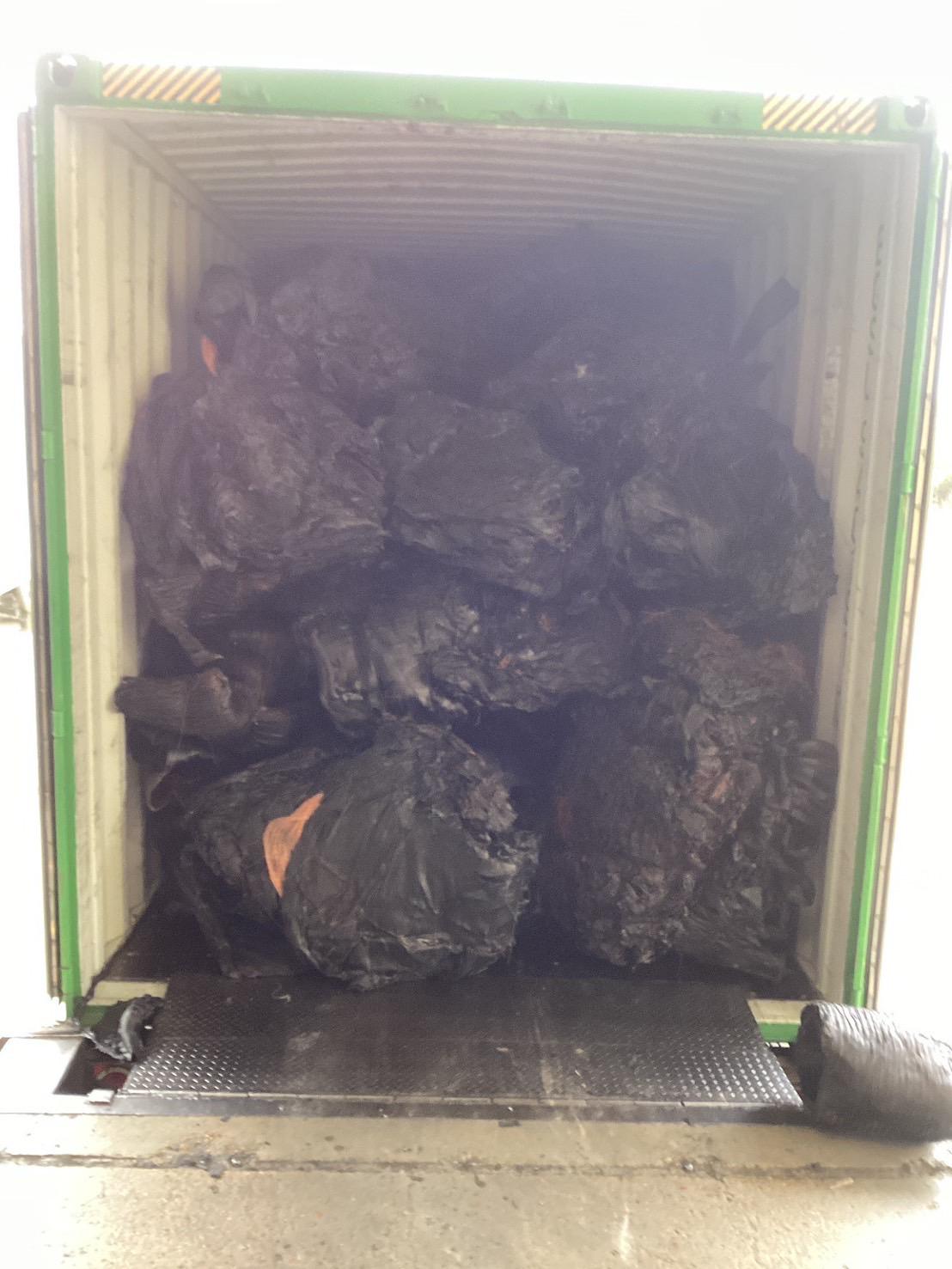
Unvulcanized Rubber
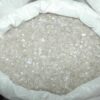
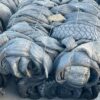
- Natural rubber (NR): From plantation rubber sources like Hevea brasiliensis. Grades are determined by impurities such as dirt, volatile matter, and nitrogen content.
- Styrene-Butadiene Rubber (SBR): A common synthetic rubber used in tires and other products. Scrap must be segregated by type.
- Ethylene-Propylene-Diene Monomer (EPDM): A synthetic rubber with excellent resistance to heat, light, and ozone. Scrap is often sourced from automotive seals.
- Butyl rubber: Used for inner tubes and bladders. Must be sorted separately.
- Foreign materials: Must be free from vulcanized rubber, metal, glass, wood, or excessive dirt. Baled material should not have loose debris.
- Reinforcing materials: Rubber compounds reinforced with nylon, steel fibers, or other fabrics must be separated. Some buyers may accept “friction” rubber (rubberized fabric) but it is graded lower than pure polymer.
- Color segregation: LDPE and other plastics can be color-sorted to maximize value. Unvulcanized rubber can be color-sorted as well. Black, natural, and colored compounds must be kept separate unless sold as a lower-quality mixed lot
- Plasticity and viscosity: Standard tests such as ASTM D926 measure the rubber’s plasticity and recovery using a parallel-plate plastometer. A Mooney viscometer (ASTM D1646) is used to measure the material’s viscosity and flow properties.
- Compositional analysis: ASTM D297 provides methods for chemical analysis to evaluate the exact composition of natural and synthetic rubber.
- Plasticity Retention Index (PRI): Used for natural rubber to indicate its resistance to oxidation. A higher PRI is generally more desirable.
1 review for Unvulcanized Rubber
Add a review
Related products
Uncategorized
Metal Scrap
Metal Scrap
Metal Scrap
Uncategorized
Metal Scrap
Metal Scrap
Nuts & Spices

Admin –
TOP GRADE AAA