
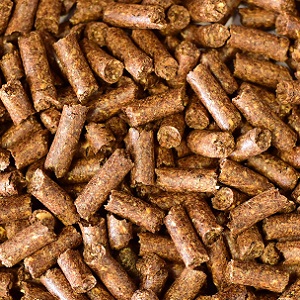
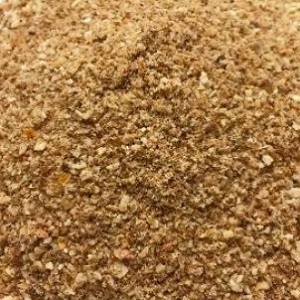
Wheat distillers grain is the main by-product from the distillation of alcohol from wheat grain. Distilleries produce alcoholic beverages, industrial ethanol and ethanol biofuel with the following by-products (definitions are given in Processes):
Spent grains, wet grains, wet distillers grain (WDG), wet distillers grain with solubles (WDGS)
Dried distillers grain (DDG), dried distillers grain with solubles (DDGS)
Condensed distillers solubles (CDS), dried distillers solubles (DDS)
There are two main distillery processes, dry-milling and wet-milling. Dry-milling (or dry-grind) is the main process for producing ethanol. This process starts with grinding before steeping the grain in water, and results in ethanol and various by-products. In the wet-milling process, the grains are steeped and the kernels are separated into various fractions, which allows for the production of multiple food and industrial products, including starch, proteins, fructose, oil and ethanol. This process, which runs non-stop for months, yields higher amounts or ethanol than dry-milling and saves costs, labor and yeast (Graybosch et al., 2009). It results in numerous by-products including wheat gluten meal (sometimes called vital gluten), wheat gluten feed and wheat germ meal. These by-products account for 25-30% of the ethanol value chain turnover (Graybosch et al., 2009; Cozannet et al., 2009b). While official and trade definitions exist for the different wheat distillery by-products, the boundaries between these products may be somewhat fuzzy. In particular, the amount of solubles blended back to the distillers grain can be highly variable (Newkirk, 2011) and the presence of solubles unspecified in nutritional studies. However, it can be assumed that the majority of sold wheat distillers grain are actually wheat distillers grain and solubles.
1 review for Wheat Distilled Dried Grains with Solubles Pellets
Add a review
Related products
Animal Feed
Animal Feed
Animal Feed
Animal Feed
Animal Feed
Animal Feed
Animal Feed
Animal Feed

Admin –
Premium Grade AAA