
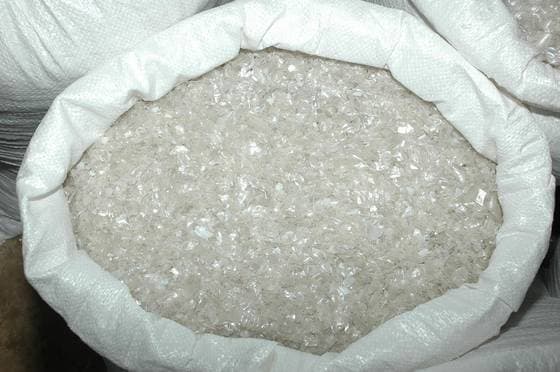
- Intrinsic Viscosity (IV): A measure of the polymer’s molecular weight, which correlates with its strength. A typical range for bottle-grade flakes is 0.70–0.85 dl/g, while fiber-grade flakes may have a lower IV.
- Moisture content: Must be low (typically <1%) to prevent hydrolysis during melt processing, which can degrade the polymer.
- Flake size: Typically standardized to a range like 3–12 mm to ensure consistency and efficient processing.
- Contamination levels: In addition to PVC, other contaminants have maximum acceptable levels, such as:
- Other polymers (PE/PP): Often capped below 50 ppm for clear flakes.
- Metals (Al/Fe): Held to very low levels, sometimes below 10 ppm.
- Adhesives and labels: Most are removed during the washing process, but trace amounts may be allowed depending on the grade.
- Bulk density: Important for transport and handling, indicating the consistency of the flake size and shape. A common range is 250–350 kg/m³.
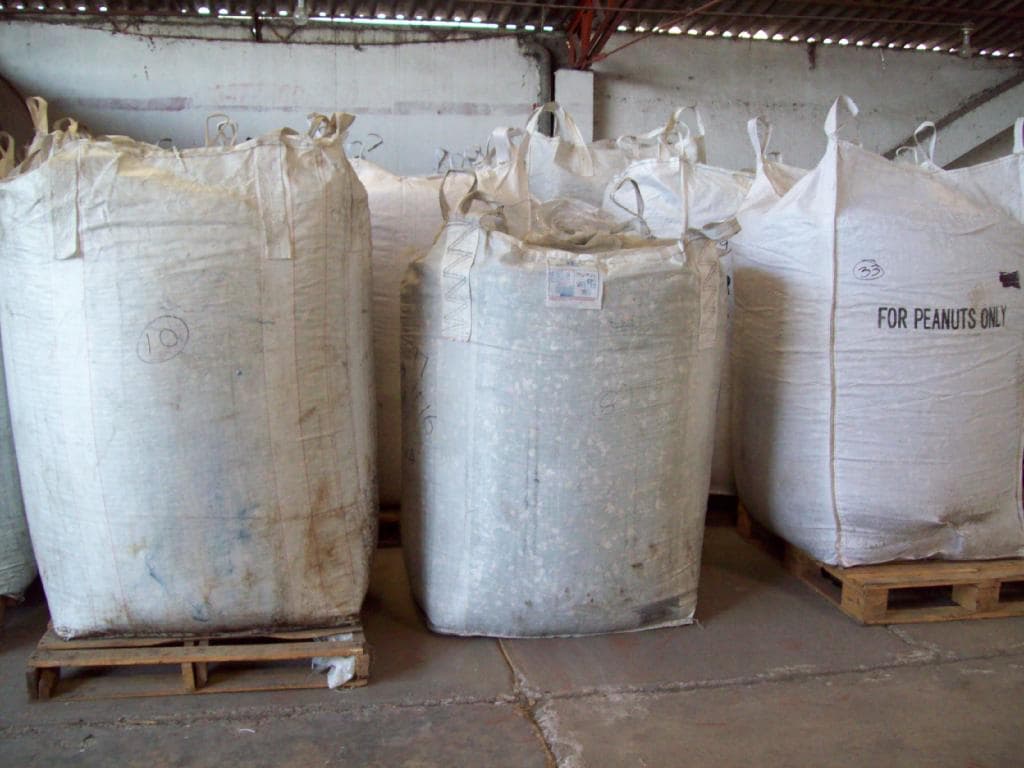
- Storage: Flakes must be stored in dry, cool conditions and protected from direct sunlight to preserve their properties.
1 review for PET Bottle Recycle Flakes
Add a review
Related products
Metal Scrap
Metal Scrap
Metal Scrap
Metal Scrap
Metal Scrap
Metal Scrap
Metal Scrap
Metal Scrap

Admin –
TOP GRDAE AAA